BYMARKEN
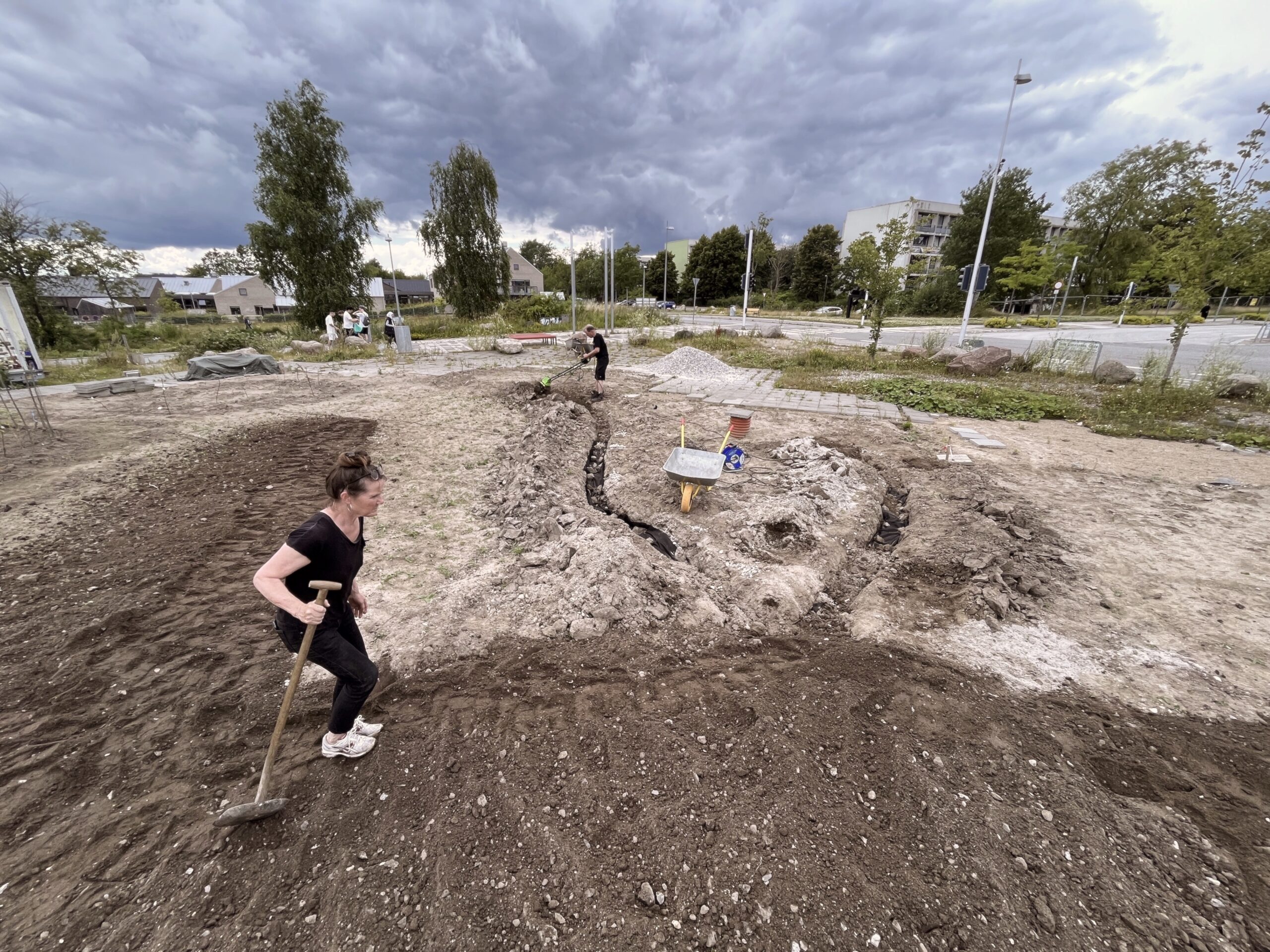
I 2023 stod Information Vest(det røde hus) bag Sigrids UdeStue. Men i takt med de omfattende renoverings- og byggeplaner i Gellerup er Information Vest blevet fjernet, og pladsen har ligget øde hen. Det har efterladt et tomrum i området, som man næsten ikke har kunnet undgå at bemærke, når man færdes i Gellerup. Derfor har Sigrids Stue taget initiativ til at fylde området med jord og etablere en Bymark.
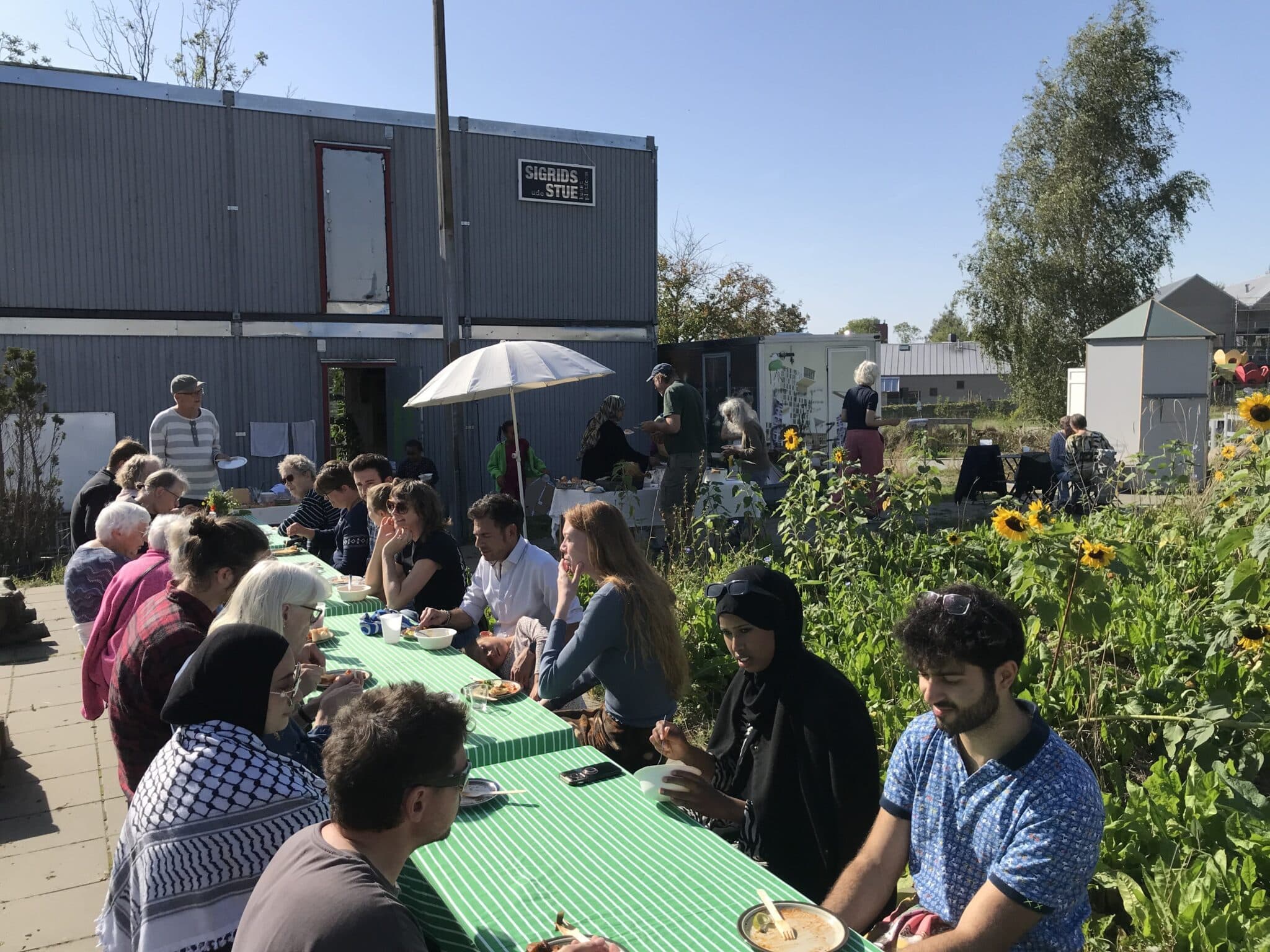
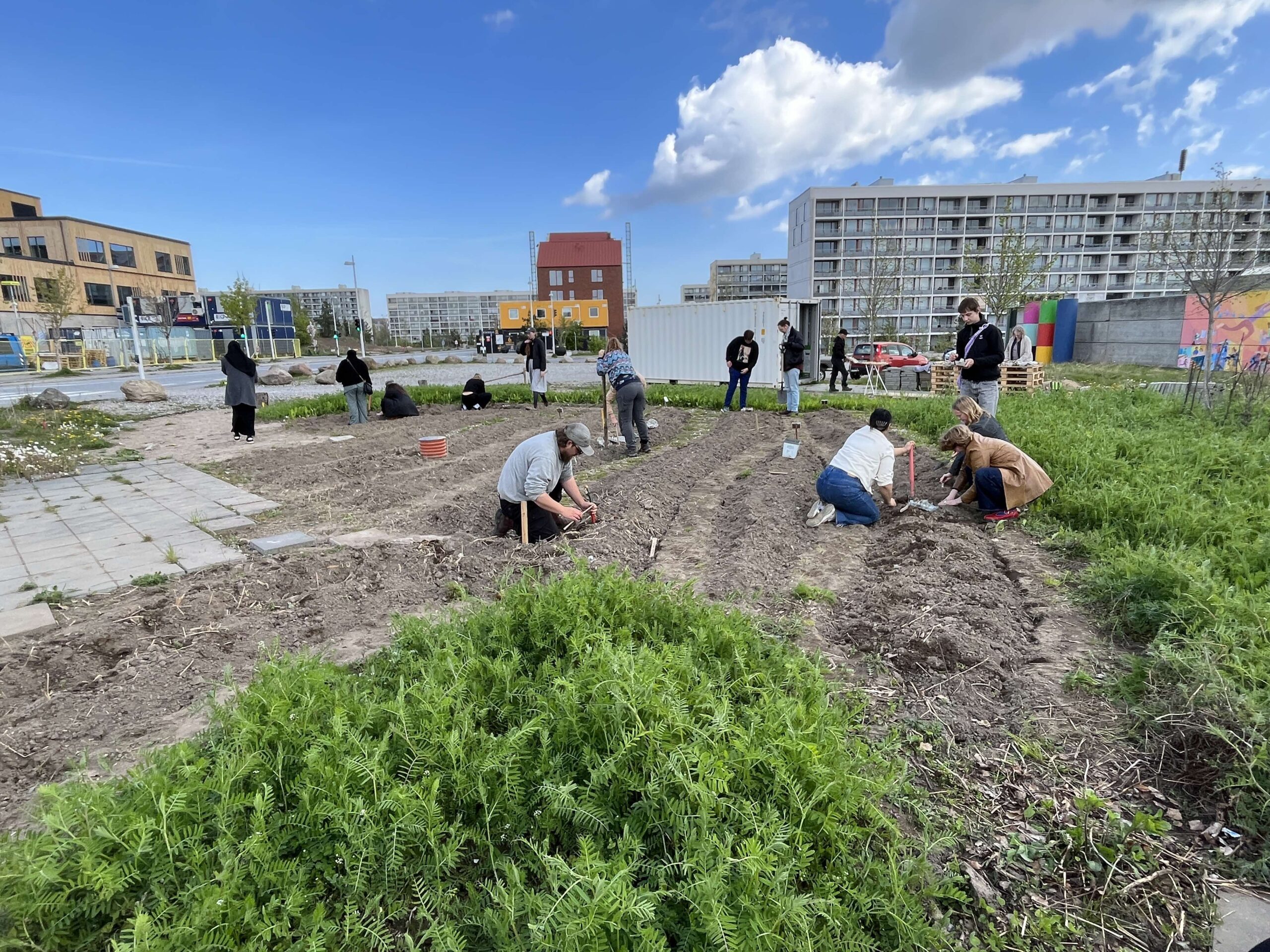
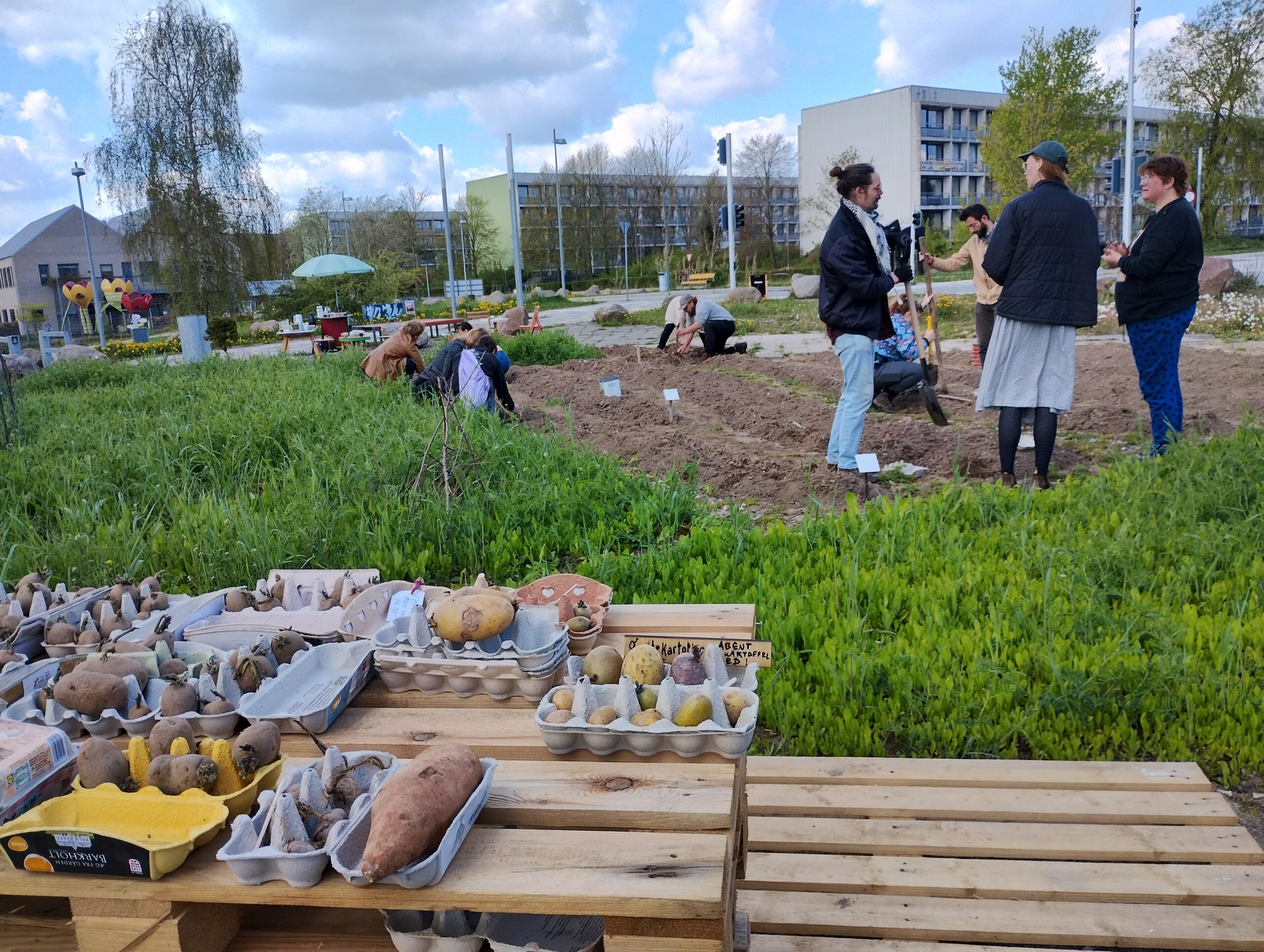
Fotos herunder -øverst først:
– fælles høstmiddag med somaliske, danske, arabiske, polske, tyske kartoffelretter kartoffel, september 2025
– fælles kartoflægning, april 2025


Engelsk______________________________________________________________________________English
Bymarken/ The city field
In 2023, Information Vest also known as “Det røde hus” was placed behind Sigrid’s UdeStue. But with the big renovation and construction plans in Gellerup, Information Vest has been taken down, and the space has been empty. This has left a void in the area that is almost impossible to ignore when walking around Gellerup. That is why Sigrid’s Stue has taken the initiative to fill the area with soil and establish a ByMark/ The city field.
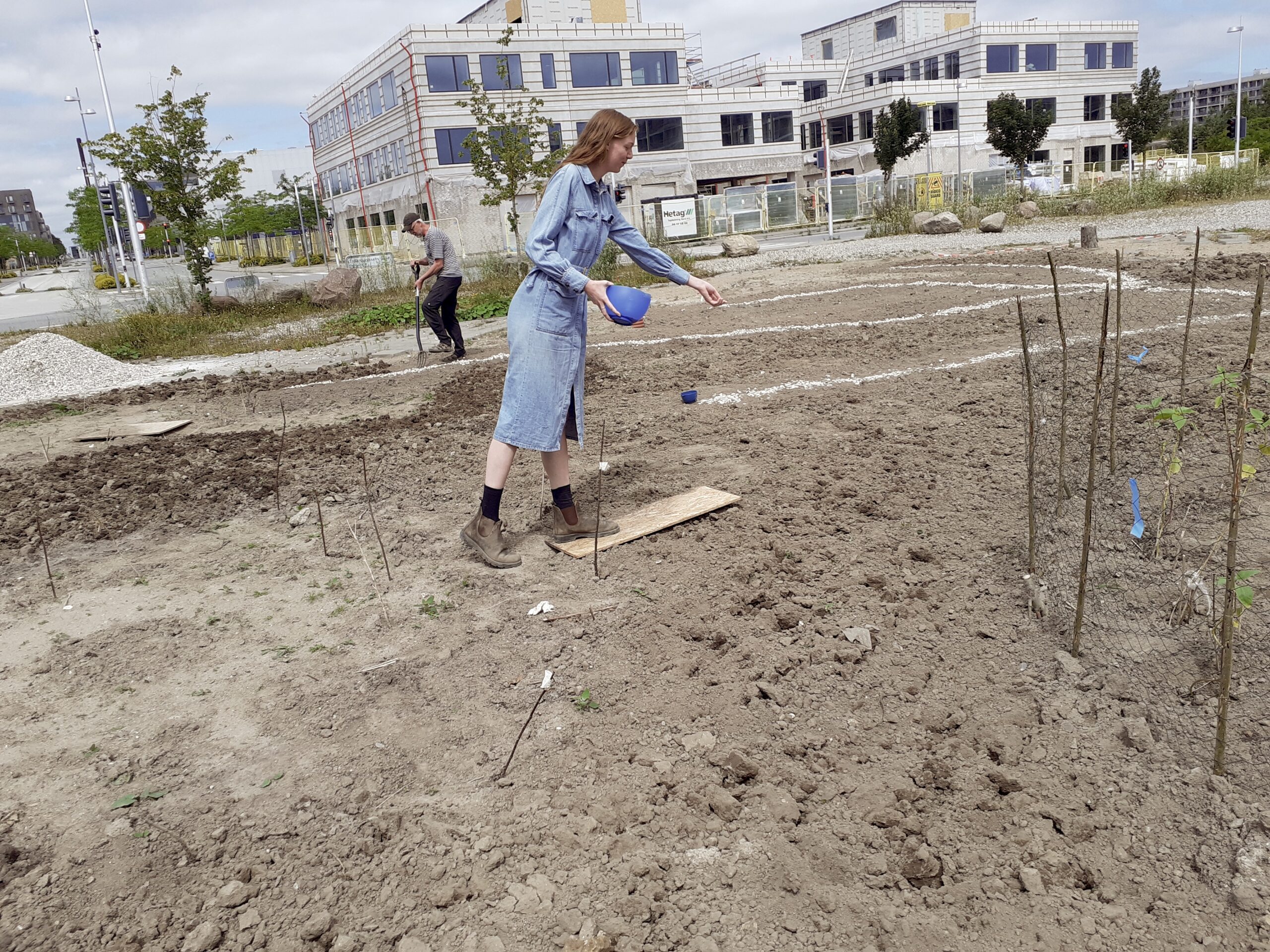
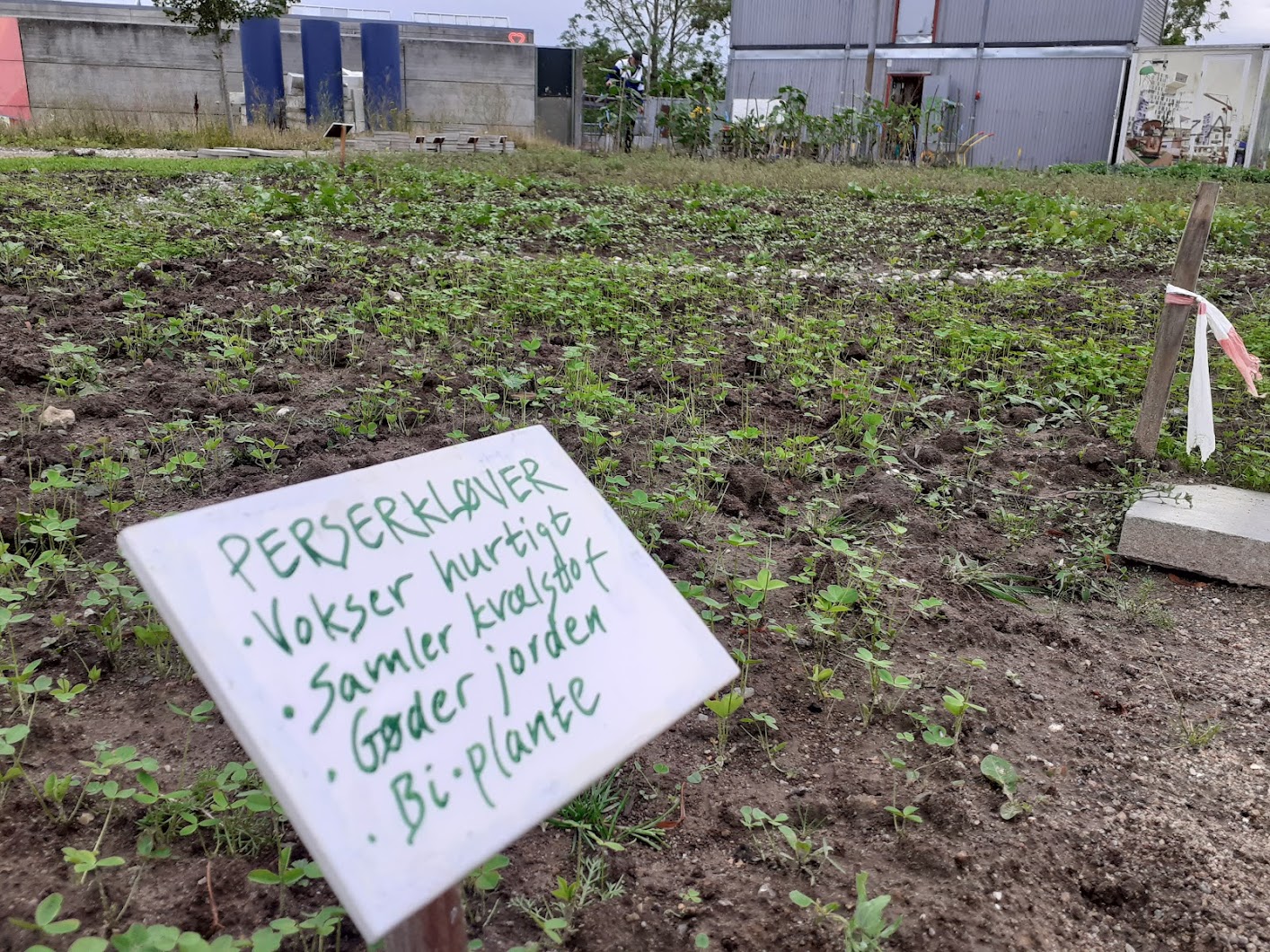
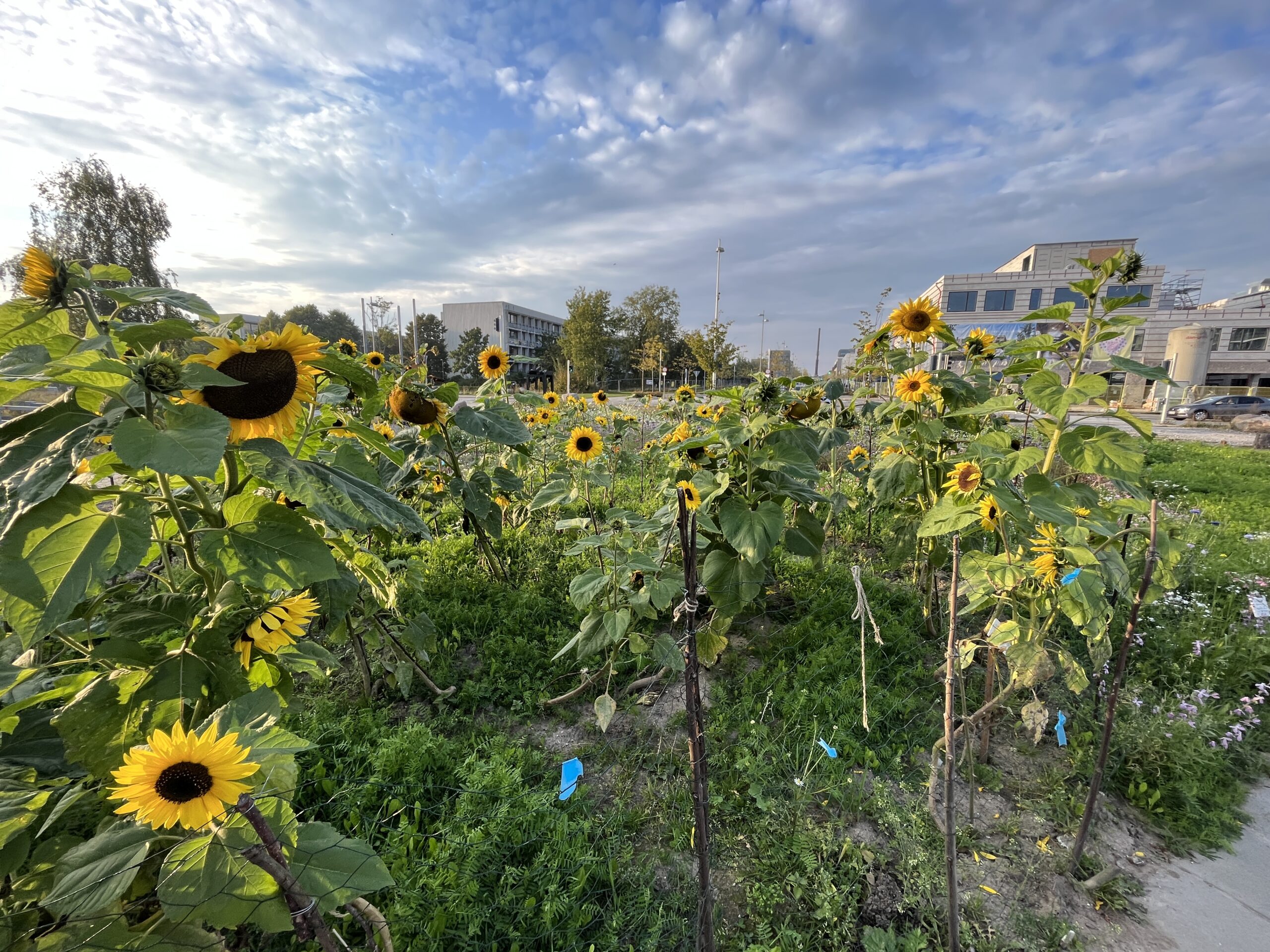
As we explored what could emerge and grow in the unused area behind UdeStuen during 2024, the site gradually changed it’s character. Now it appears as an aesthetic and experimental urban field, where bypassers, motorists, and residents of the surrounding blocks have been able to follow our work and the development of the site over the past year. We have sown various types of green manure in the field and experimented with what thrives in the soil: sunflowers, honeywort, Persian clover, winter vetch, perennial rye, chicory, and a mixture of bee flowers. All of this has been sown to fertilize the soil and create habitats for insects, small animals, and possible future collaborations about, for example, the cultivation, harvesting, and preparation of potatoes, beans, corn, etc